

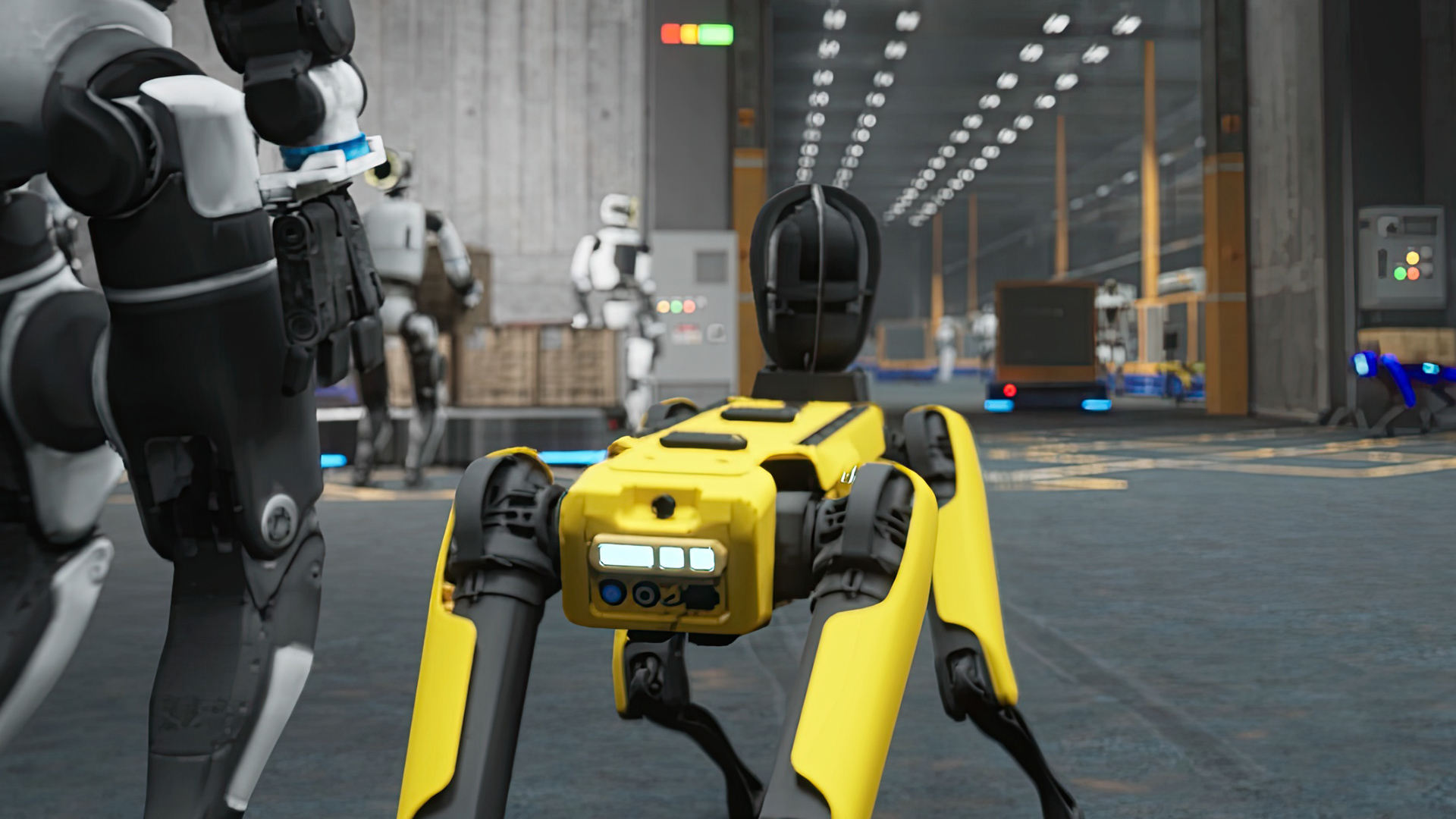
Scaling Robotics Without Infrastructure Failure
The robotics pilot works flawlessly in the demo facility. The dashboard is clean. Tasks route efficiently. Safety checks pass. Leadership approves rollout.
Six months later, throughput is inconsistent, maintenance tickets pile up, and robots intermittently stall mid-route. No one can clearly explain whether the issue belongs to IT, operations, facilities, or the vendor.
The robots didn’t fail.
The infrastructure model did.
Most enterprises treat robotics as a hardware investment with a software integration layer. In reality, robotics is a cyber-physical system deployment. And cyber-physical systems introduce infrastructure complexity that traditional IT organizations are not structured to manage.
That’s where reliability starts to erode.
Hardware isn’t the hard part.
Modern enterprise robotics platforms are mature. Autonomous mobile robots, robotic arms, and fleet orchestration software integrate cleanly with warehouse management and ERP systems.
On paper, the architecture looks simple: robot fleet → orchestration layer → enterprise systems.
But robots don’t operate in controlled server environments. Floors degrade. Lighting changes. Wi-Fi coverage fluctuates. Sensors accumulate dust. Battery performance declines unevenly. Mechanical tolerances drift.
Traditional IT assumes stable compute primitives. Robotics introduces mobile, degrading, and environmentally sensitive nodes.
If your reliability assumptions are static, your model is already wrong.
The real failure domain: Physical Variability
Software systems fail logically, due to race conditions, bad inputs, and misconfigurations. Robotics fails environmentally.
A layout adjustment reduces navigation efficiency. A reflective surface interferes with LIDAR. A firmware update improves pathing but increases battery drain. None of these triggers clean error spikes. They surface as performance drift.
The uncomfortable truth: most enterprise observability stacks are blind to gradual physical degradation.
You can monitor API latency and CPU utilization continuously. That won’t tell you that traction is declining in one section of a facility or that temperature shifts are affecting sensor calibration.
When robotics scales, infrastructure stops being purely digital. Digital-only monitoring leaves systemic blind spots.
The ownership problem!
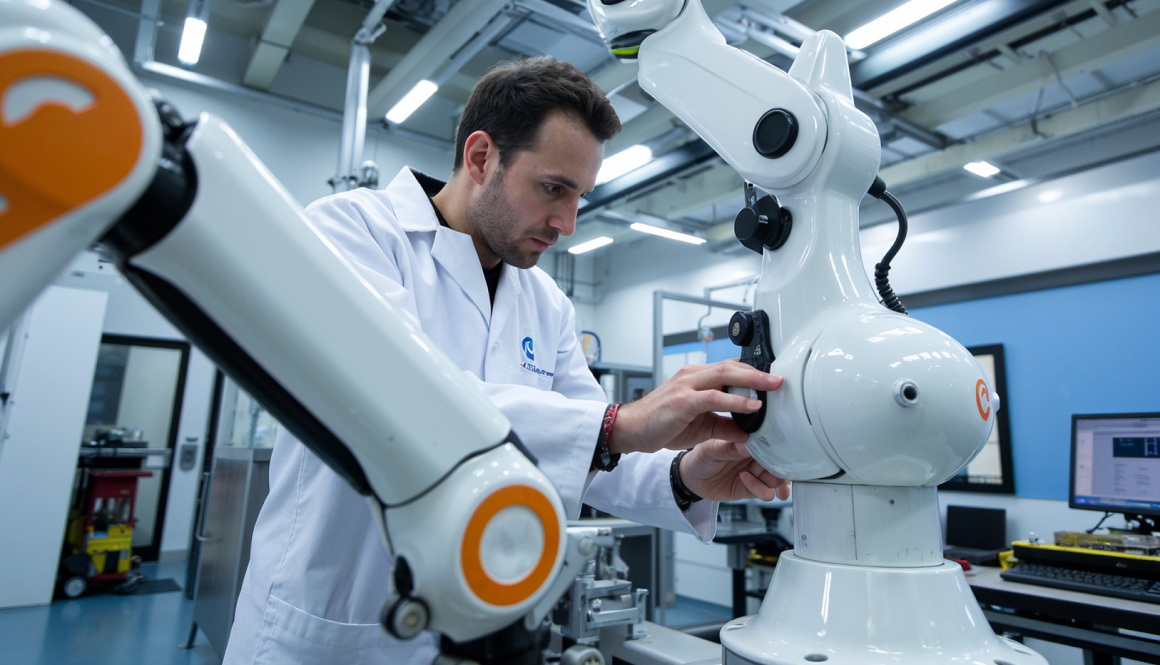
The deeper issue isn’t technical. It’s structural.
In most enterprises, robotics sits between IT, operations, and facilities. Network reliability belongs to IT. Floor conditions belong to facilities. Throughput targets belong to operations. Firmware updates sit in vendor-managed gray zones.
When a robot pauses mid-route, who owns the incident?
If accountability is ambiguous, resolution slows. Escalations cross departments. Over time, trust in automation erodes, not because robots are incapable, but because ownership boundaries are unclear.
We see this pattern repeatedly in cyber-physical deployments. The technical integration succeeds. The organizational model doesn’t.
If no one explicitly owns the physical-digital boundary, reliability becomes accidental.
Integration isn’t orchestration
Enterprises often focus on integrating robotics into enterprise systems. The harder problem is coordinating robots with dynamic human workflows and exception handling.
A worker stepping into a robot’s path isn’t just an obstacle; it’s an operational signal. A stalled pallet may indicate upstream process failure.
The more autonomy robots have, the more sensitive they become to environmental noise and human unpredictability. The less autonomy they have, the more the coordination burden shifts back to people.
There is no frictionless state. Only managed tension.
Deploying robotics into deterministic workflows without redesigning process logic guarantees instability.
The infrastructure nobody budgets for
Robotics requires more than devices and APIs. It demands environmental instrumentation, mobility-aware network design, preventative mechanical analytics, and cross-functional operating models.
None of that fits neatly into traditional IT budgets.
The uncomfortable truth is that robotics exposes how fragmented enterprise infrastructure already is. Cloud teams optimize compute. Facilities manage space. Operations chase throughput. Robotics forces those domains into a single reliability surface.
If you don’t redesign infrastructure ownership before scaling robotics, you scale friction.
Conclusion
Robotics in the enterprise is not a hardware upgrade. It is an infrastructure transformation.
The organizations that succeed will not be those with the most advanced fleets. They will be the ones who treated cyber-physical systems as first-class infrastructure from day one, not as an extension of IT.
Robots rarely destabilize operations.
Underestimated infrastructure does.
You May Also Like

Technical Debt Is Costing You More Than You Think
Ut enim ad minim veniam, quis nostrud exercitation ullamco laboris nisi ut aliquip ex ea commodo con

How Hyperautomation is reshaping Business Operations
Ut enim ad minim veniam, quis nostrud exercitation ullamco laboris nisi ut aliquip ex ea commodo con

Decentralized Identity (DID) for Enterprises: Use Cases Beyond the Hype
Ut enim ad minim veniam, quis nostrud exercitation ullamco laboris nisi ut aliquip ex ea commodo con